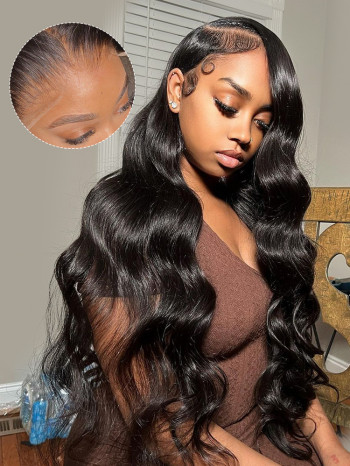











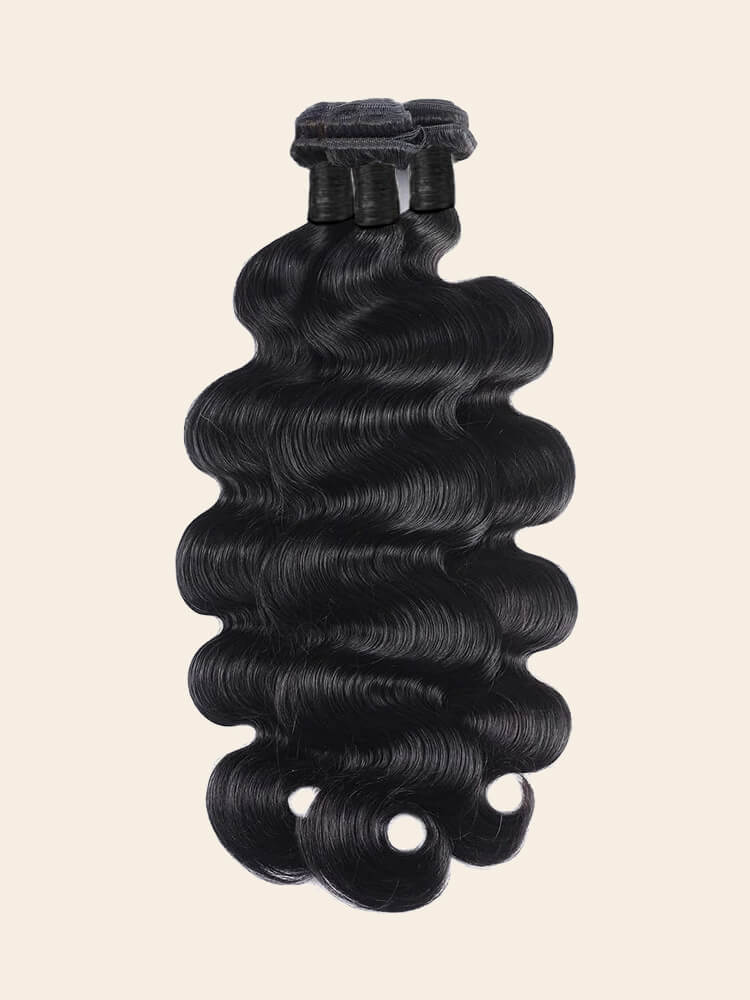
 Body Wave Bundles
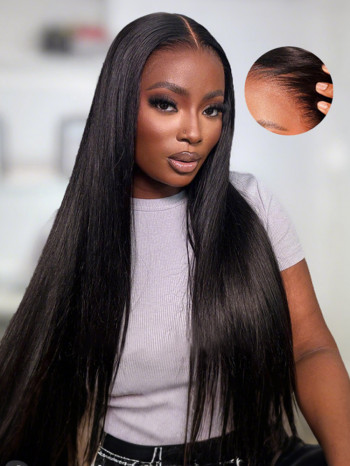
 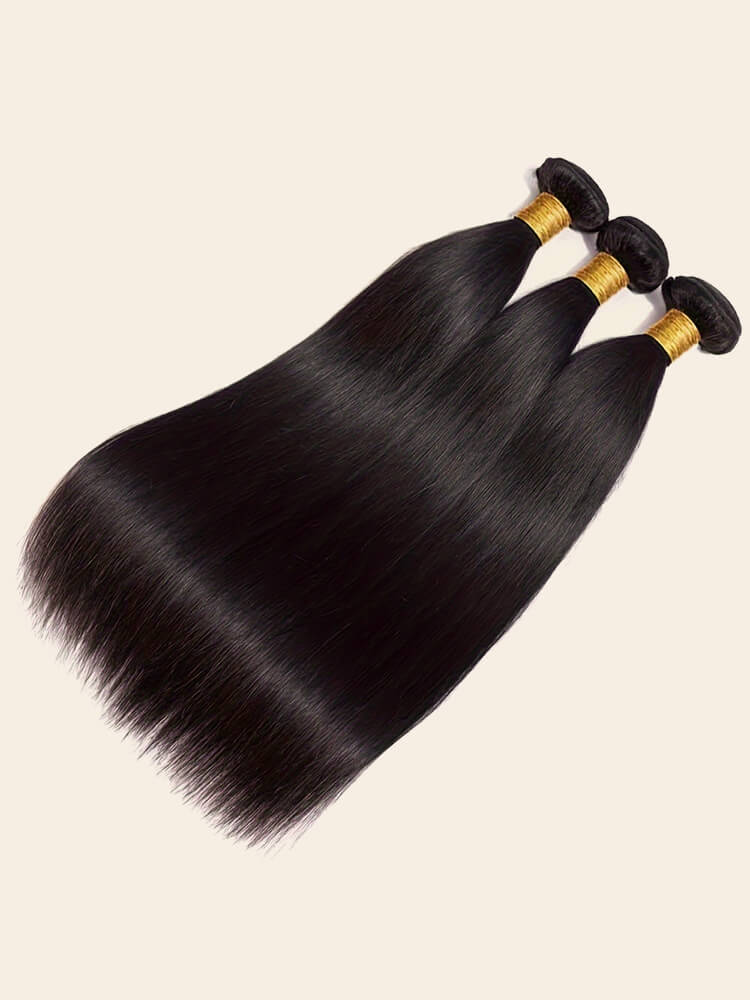 Straight Bundles
  Curly Bundles
  Colorful Bundles
  Premium Raw Hair
  Closures / Frontals
  Hair Extension
 Limited Deals
 Ship In 24H
 Clearance Sale
 Flash Sale
 Wig Sets & Deals
 In-Person Stores
 Blogs
Blogs Invite & Save
 Track Order
 VIP Perks







Where does Human Weave Hair Come from? A Detailed Look into Its Origins
When buying extensions, many individuals do not pay much attention to where does human weave hair come from, yet it is essential in the process of choosing high-quality hair and ethical hair. The texture of the hair depends on its origin, how durable it is, and how easily it can be blended with your own natural hair. This is a guide to the cultural, geographic, and ethical origins of the human weave hair. Most look at the length, shine, or price, but the long-term quality depends on the origin of the hair in the long run.
Human Hair Sources Around the World
To understand where does human weave hair come from, start by looking at the regions that have built entire industries around hair collection. The most widespread ones are Asia, South America, and some Eastern European countries. These regions have been practicing hair donation, trade, and processing since time immemorial. Having different natural colors and textures will be different, and strength due to the difference in the origin of human hair weave.
Asians have hair that is usually thick, dark, and either straight or slightly wavy. The biggest suppliers are India and China. The Latin American hair is normally soft in nature and dense. European hair, on the contrary, is fine, silky, and has been in high demand in the luxurious markets.
Indian Temple Hair Traditions
One of the most widely discussed origins when exploring where does human weave hair come from is temple hair. People in some parts of India really shave their heads when attending religious ceremonies. They collect the hair, sift it out neatly, tidy it, and sell it to businesses.
This practice has become a massive supply chain in the world. It is one of the most ethical and traceable sources, as people are giving their hair freely. So, when you question where human weave hair is obtained, temple hair remains on the first level since it is hardly processed, and it is always extremely consistent.
Chinese Hair Manufacturing and Processing
China holds a completely different, yet also a critical position, as far as human hair is concerned. A massive portion of the hair that we see around the globe is processed in China, but not all of it is Chinese. In some instances, it is local donors, but more commonly, it is flown in from either Myanmar, Mongolia, or India. After which, they sort out, clean, dye, and sew it in wefts.
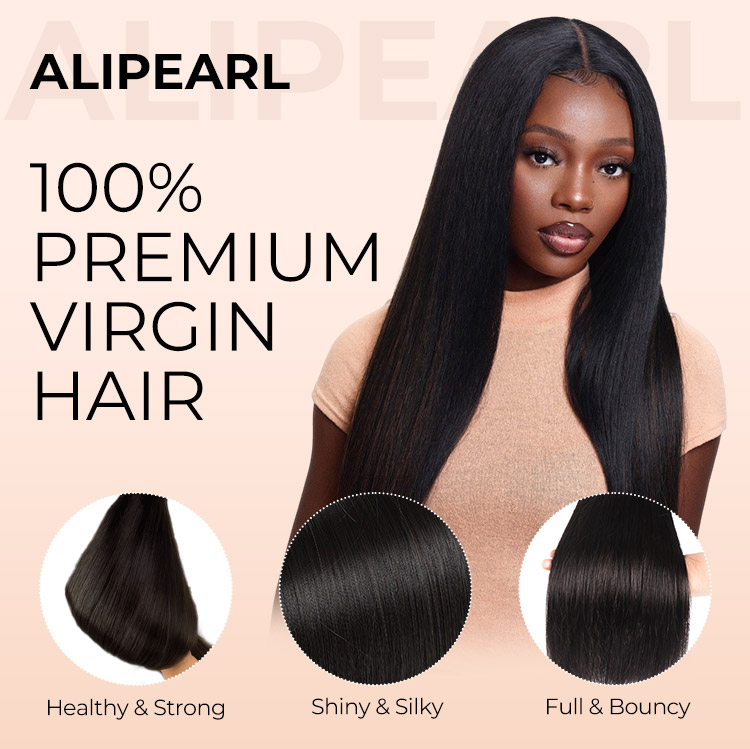
China is the real setter of quality in the world since it does sourcing and manufacturing. That is why the issue of the origin of human weave hair is much deeper than a country-of-origin ping. The manner in which it is processed may completely alter the manner in which soft it is, the duration of its existence, and the natural appearance of the same.
European and Eastern European Hair
In the luxury market, European hair — often Slavic, Russian, or Ukrainian — is considered top tier. Anyone deeply researching where does human weave hair come from will notice European hair’s high price point. Because natural blondes are rare globally, light-colored European strands are extremely valuable.
This hair is usually donated or sold by individuals who maintain their natural hair carefully. It has minimal chemical exposure and a very fine, silky texture. In discussions about where human weave hair comes from, European sources represent premium quality and more ethical selling practices.
Ethical Considerations in Hair Collection
Another important part of understanding where does human weave hair come from is knowing whether the hair was sourced fairly. Some hair is voluntarily donated or sold. Other times, it may be collected from salons, floors, or mixed with synthetic fibers.
Consumers today want transparency. Ethical sourcing means the donor was fairly compensated or willingly contributed the hair. When evaluating where does human weave hair come from, checking brand transparency and processing details is essential.
Final Thoughts
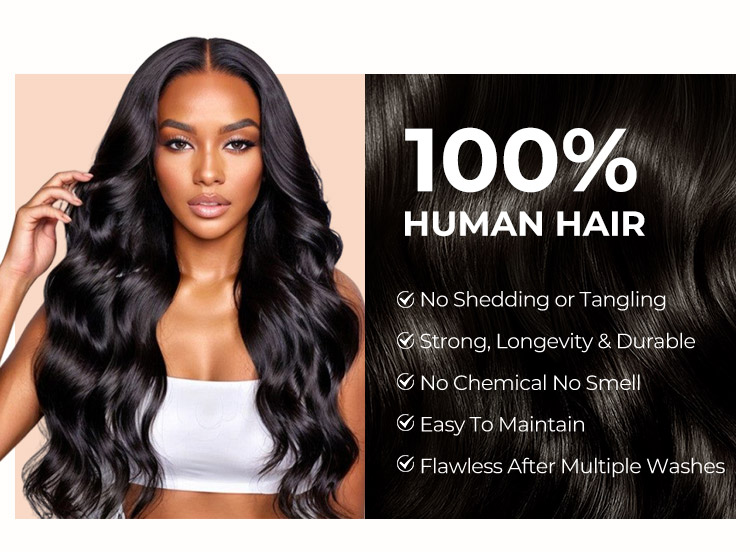
So, where does human weave hair come from? The answer spans across continents, cultures, and long-standing traditions. The hair is sourced from temples in India, various regions in South America, Eastern Europe, and Asian communities, each with its own unique story. Understanding these origins allows consumers to choose extensions that align with their personal tastes, moral values, and aesthetic preferences. To ensure high-quality and socially responsible human hair with your desired textures, it’s important to choose reputable suppliers offering well-crafted products. Selecting premium collections like ALIPEARL from trusted professional brands can help you achieve a flawless transformation with greater precision and confidence.







 Sign In With Google
 Sign In With Facebook